
Cloud architecture & deployment
Design application environments, service boundaries, data flows and deployment foundations around the workload—not a predetermined vendor stack.
Outputs: architecture map · environment plan · deployment configurationCLOUD & PLATFORM ENGINEERING
Cloud platforms, APIs and deployment workflows that bring your applications, data and business operations together.
Architecture. Integration. Operational clarity.
Illustrative architecture—not a live infrastructure dashboard.
CLOUD ENGINEERING AT WEB CINCTURE
Web Cincture Private Limited designs cloud platforms, APIs and deployment workflows for business applications. Our cloud engineering work connects software, data and external systems, with architecture and operating responsibilities agreed before delivery.
Cloud engineering is more than choosing a hosting provider. It is the work of designing how a product is deployed, how systems exchange information and how teams observe, maintain and recover the service. We work with businesses in Delhi NCR and beyond.
Start with your applicationWHAT WE DELIVER
A connected engineering scope, shaped around your current systems and the next stage of your product.
Design application environments, service boundaries, data flows and deployment foundations around the workload—not a predetermined vendor stack.
Outputs: architecture map · environment plan · deployment configurationConnect applications, CRMs and third-party services through defined APIs, authentication rules and documented data contracts.
Outputs: API contracts · integration flows · failure handlingDefine repeatable build and release steps with environment separation, required checks and a documented rollback approach.
Outputs: release pipeline · configuration guide · rollback stepsAssess an existing application and its dependencies, validate a target environment and plan the transfer of data and traffic.
Outputs: migration assessment · cutover checklist · validation planPlan application logs, meaningful health signals, alerts and performance checks so teams can investigate issues with context.
Outputs: monitoring configuration · alert ownership · performance baselineDefine backup coverage, retention, restore procedures and access responsibilities for the systems included in the engagement.
Outputs: backup plan · restore checklist · scoped recovery targetsDeliverables are confirmed in the proposal. Infrastructure charges, vendor subscriptions and ongoing support are scoped separately where applicable.
A CONNECTED ARCHITECTURE
A product works as a system. The interfaces people use, the services behind them and the controls around them must be designed together.
Web applications · Android & iOS · Admin tools
Authentication · Business rules · Background jobs
Business records · Files · Data access policies
CRMs · Communication services · Approved integrations
This diagram explains the design approach. It does not represent a specific client deployment, verified SLA or provider certification.
PRODUCT CONTEXT
Explore Web Cincture’s public products. Each brings a different business context to the conversation about software and connected systems.
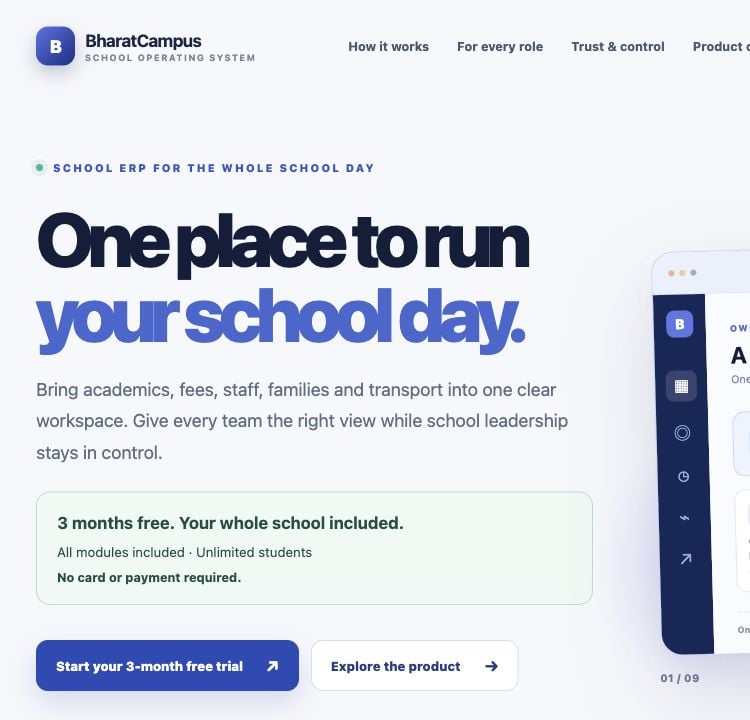
A school operating system for connected school workflows.
Explore the product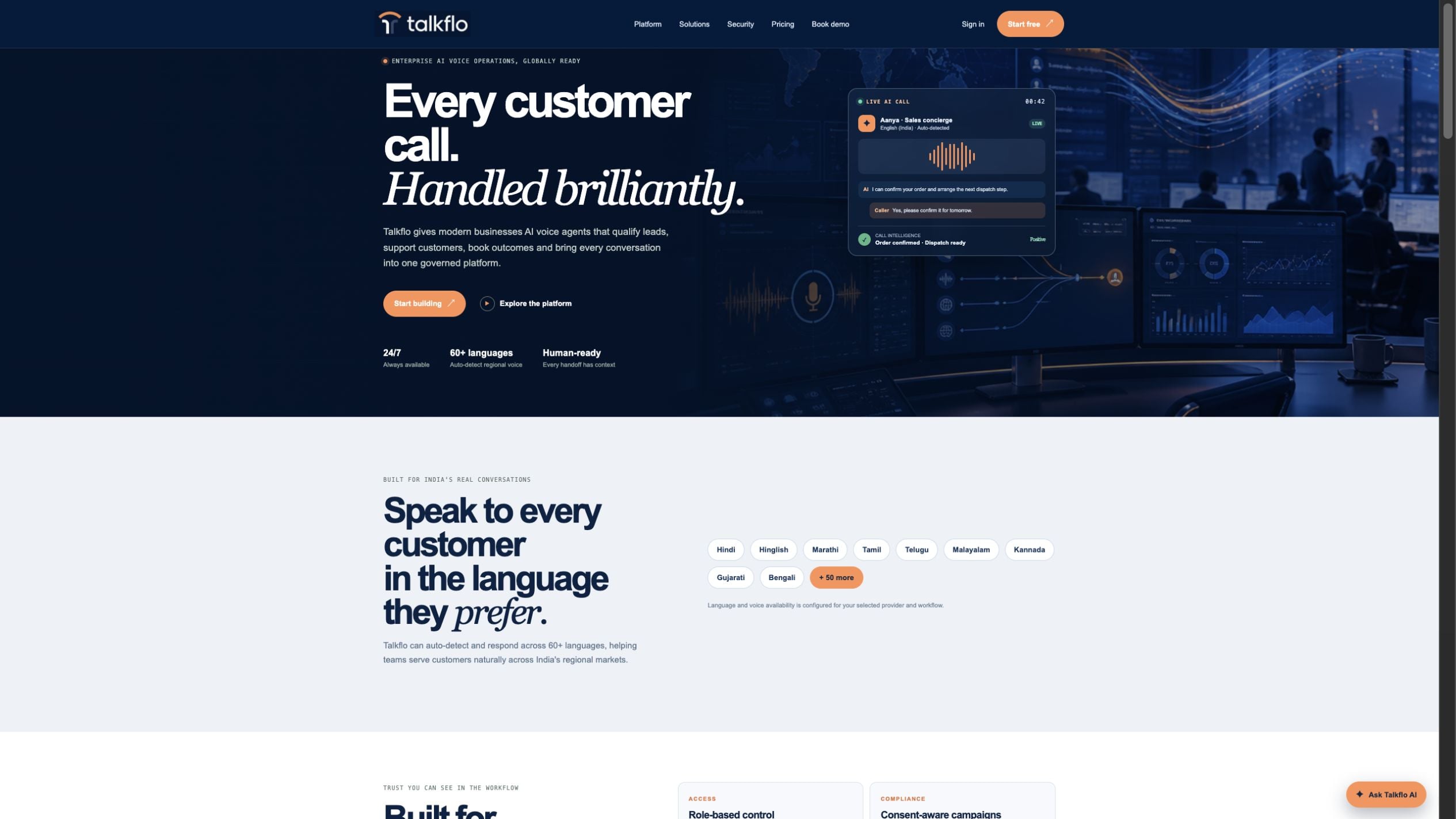
AI call-led workflows and connected customer operations.
Explore the product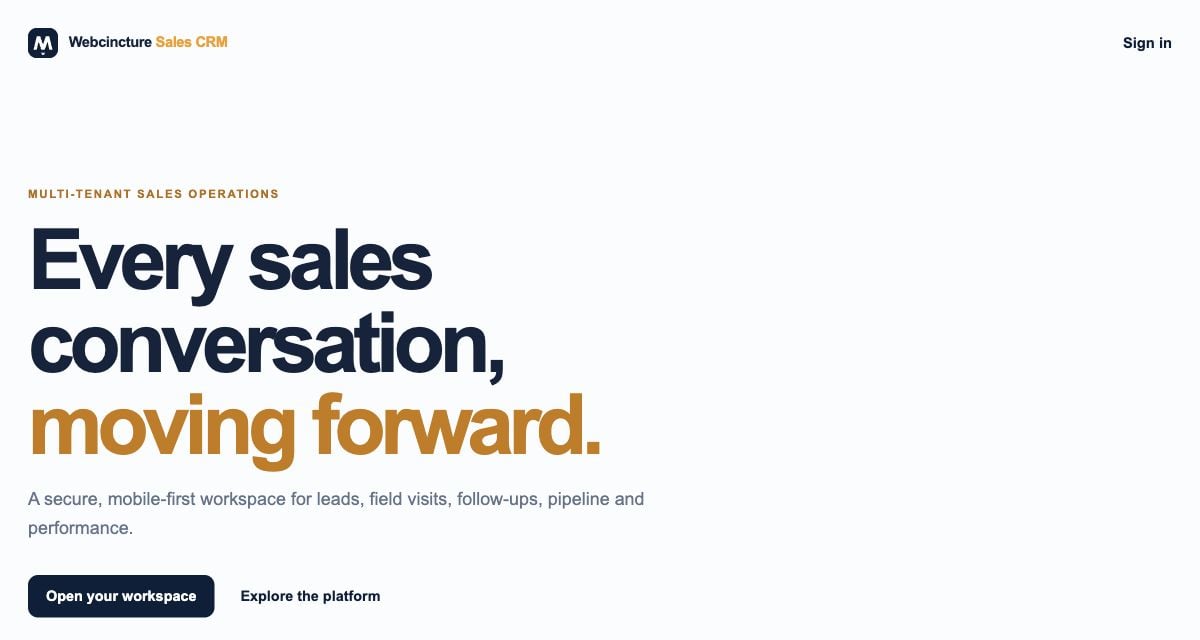
Tools for managing everyday sales and business follow-ups.
Explore the productActual public website captures. These examples show product context, not a claim about their hosting provider, infrastructure topology or uptime.
ENGINEERING BEYOND DEPLOYMENT
A deployment is a milestone, not an operating model. We define what the system needs and who is responsible for it before handover.
Define administrative roles, permitted data flows and secret handling. Region and data requirements are reviewed for the selected services; compliance is not assumed.
Agree backup frequency, retention, restore testing and recovery targets. A backup is not treated as proven recovery until the agreed restore checks are completed.
Prefer client-owned accounts, scoped implementation access and transparent billing. Review cost drivers, budget alerts and resource sizing without promising a fixed saving.
Document who monitors, who responds and what support windows apply. Ongoing operations, escalation and SLAs require an explicit support agreement.
HOW WE WORK
Start with the workload. Validate the architecture. Release with an agreed plan. Leave teams with usable operating documentation.
Review the application, integrations, data, access and current infrastructure.
Scope & dependency mapAgree architecture, environments, controls, responsibilities and acceptance checks.
Architecture & delivery planImplement the scoped foundations and integrations; verify release and recovery steps.
Test evidence & cutover checklistComplete the agreed deployment, access handover and operational walkthrough.
Runbook & support boundariesQUESTIONS, ANSWERED
Practical answers about scope, integrations, ownership and running costs.
Discuss your requirementsWeb Cincture offers cloud architecture and deployment, APIs and system integration, CI/CD and release automation, cloud migration, monitoring and performance, and backup and recovery planning. Each engagement defines the application, access, deliverables and operating responsibilities before implementation.
Cloud hosting provides infrastructure on which software runs. Cloud engineering covers how applications, data, integrations, deployment and operational controls work together on that infrastructure. Hosting charges and engineering work are separate items in the project proposal.
Integration is scoped after reviewing API documentation, authentication, account permissions, data formats and vendor limits. We agree which systems can read or change data, how failures are handled and who owns each connection. Third-party access and approval may be required.
A migration starts with an assessment of the application, data, dependencies and current hosting. The plan defines a test environment, data checks, cutover steps and a rollback path. Downtime and recovery targets depend on the system and must be agreed; zero downtime is not assumed.
Provider selection depends on application requirements, existing systems, region availability, budget, operating skills and data obligations. AWS, Microsoft Azure, Google Cloud or other hosting options can be evaluated during discovery. No provider partnership or certification is claimed on this page.
Account ownership, repository handover, administrative access and billing responsibility are documented in the agreement. A client-owned cloud account with scoped implementation access is the preferred starting point. Credentials should not be shared through public forms or email.
The proposal separates implementation from cloud infrastructure, third-party usage and ongoing support where applicable. Monitoring coverage, incident ownership, response windows, backups and recovery targets are explicitly scoped. No universal uptime, cost-saving or 24/7 support guarantee is implied.
Yes. Web Cincture Private Limited is an India-based software and product engineering company working with business teams in Delhi NCR and beyond. Cloud projects begin with a review of the existing application, required integrations and delivery constraints.
LET’S CONNECT THE NEXT LAYER
Tell us what you run today, what needs to connect and what your team needs next. Please do not submit credentials or confidential system access.