SAAS PRODUCT ENGINEERING

SaaS platforms.
Engineered for
real business.

From a focused first release to a multi-tenant platform. We bring product strategy, design and software engineering together around the way your business works.

India-based engineering · Delhi NCR and beyond

SAAS DEVELOPMENT AT WEB CINCTURE

What does Web Cincture
build for SaaS businesses?

Web Cincture Private Limited is an India-based software and product engineering company. We design, develop and evolve SaaS platforms, including MVPs, multi-tenant business applications, customer portals, administrative tools and integrations.

Our SaaS development work covers product discovery, interface design, application engineering and agreed deployment and handover activities. We work with founders and business teams in Delhi NCR and beyond.

PRODUCT THINKING, IN PRACTICE

We build products.
And work beyond launch.

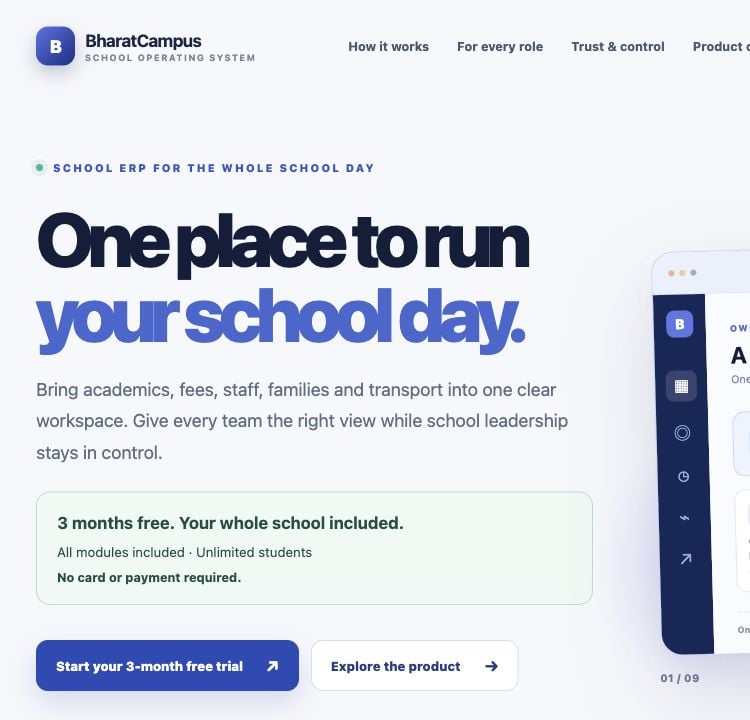
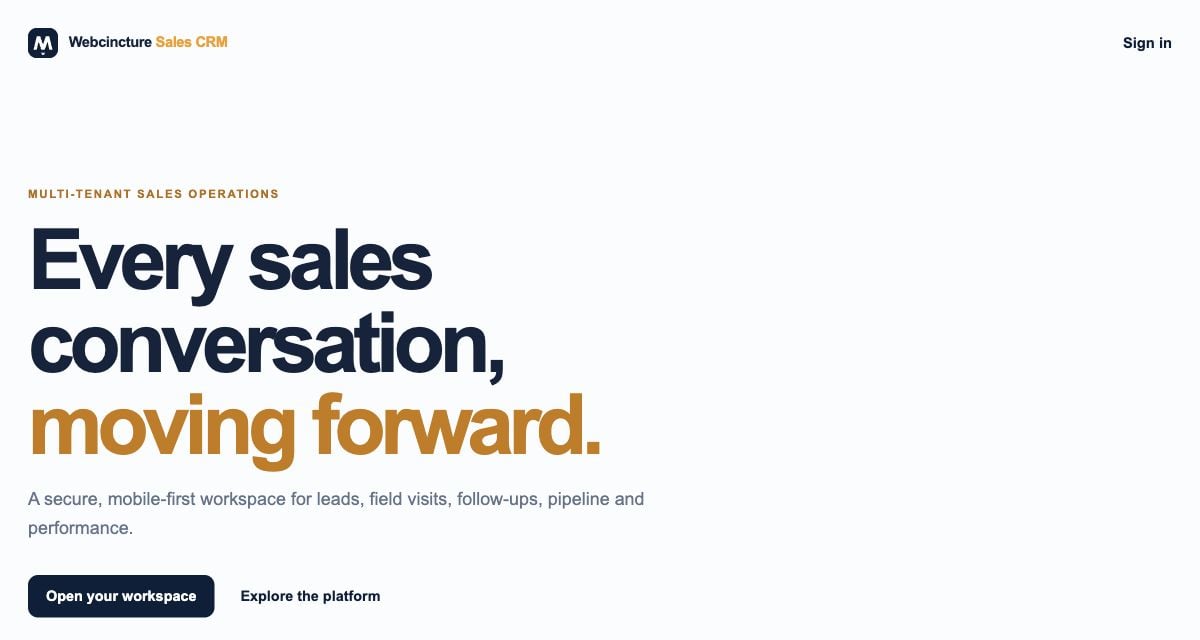
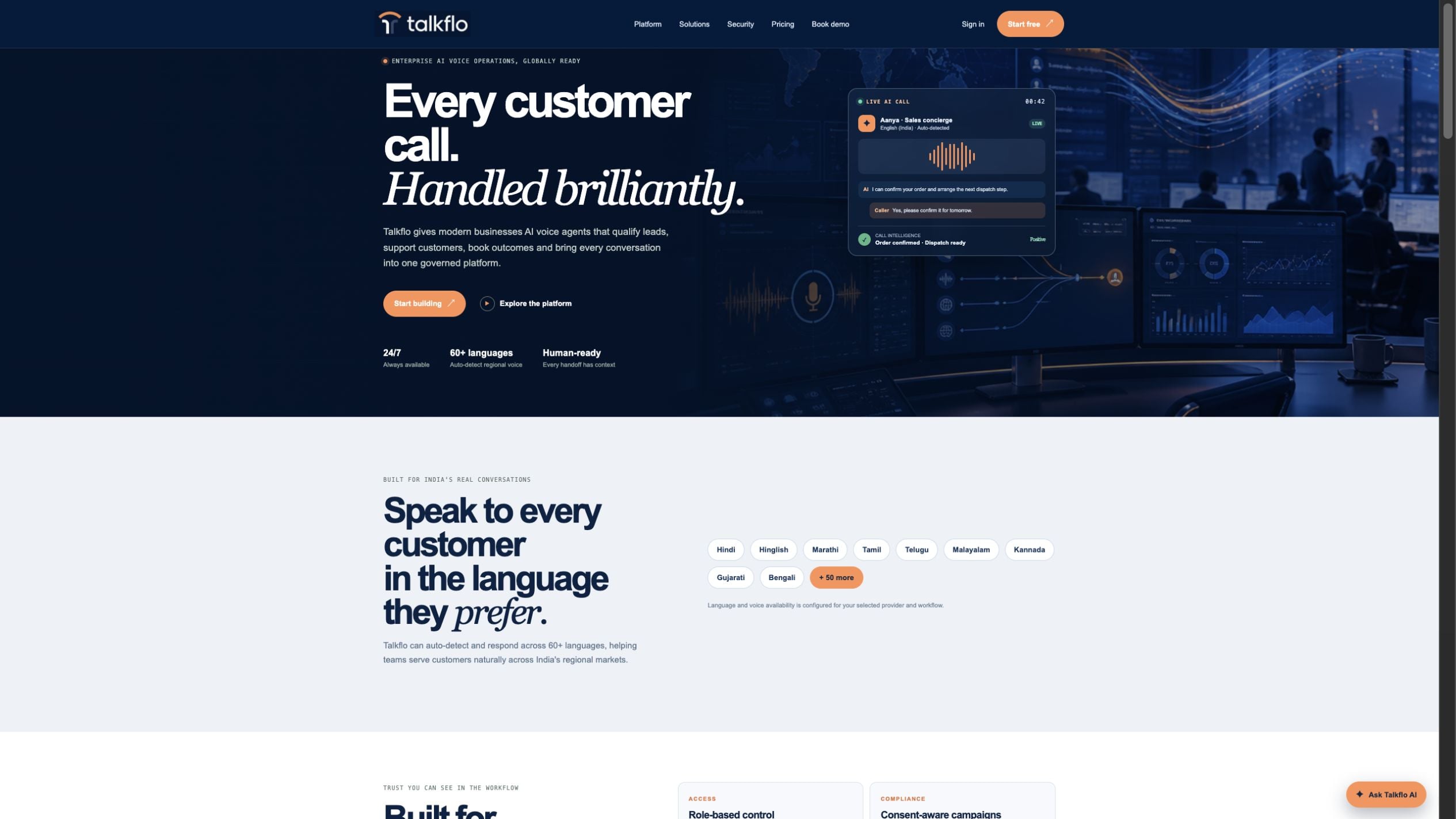
Our own products give this conversation real context: school workflows, sales operations and AI-enabled customer conversations.

bharatcampus.app
BharatCampus public website introducing its school operating system

EDUCATION / SCHOOL OPERATING SYSTEM

BharatCampus

A school operating system connecting academic, administrative and family-facing workflows.

Product context
Different teams, responsibilities and information needs across the school day.
Engineering focus
Role-specific journeys, connected workflows and administrative visibility.
Explore BharatCampus

Actual public website captures from 19 October 2026. Explore each Web Cincture product’s website for its current experience.

WHAT WE ENGINEER

The product people use.
The system behind it.

SaaS development connects a customer experience with permissions, business rules, administrative tools and integrations. We define the right combination for your product.

01 / PRODUCT DIRECTION

Discovery & MVP definition

Identify the users, commercial model and core workflow. Shape a first release with clear boundaries and reviewable deliverables.

User journeys · Priorities · Release scope
02 / PLATFORM FOUNDATION

Multi-tenant architecture

Design how organisations, users and data relate, including tenant boundaries, access checks and product configuration.

Tenant model · Data boundaries · Roles
03 / CUSTOMER EXPERIENCE

Web & mobile applications

Build onboarding, everyday product journeys and role-specific interfaces around the people who will use them.

Interfaces · Onboarding · Product workflows
04 / OPERATING MODEL

Plans & billing integration

Scope subscription plans, feature entitlements and payment-provider integration around the agreed business model.

Plans · Entitlements · Provider integration
05 / BUSINESS OPERATIONS

Admin tools & integrations

Connect customer support, approvals, reporting and existing business systems through administrative tools and APIs.

Admin workflows · APIs · Reporting
06 / PRODUCT EVOLUTION

Modernisation & migration

Review an existing platform, identify operational friction and plan improvements or a phased migration where appropriate.

Platform review · Data mapping · Release planning

A CONNECTED SAAS ARCHITECTURE

Many organisations.
One considered foundation.

Multi-tenancy means a product serves multiple organisations with deliberately defined data and access boundaries. The right model depends on the product—not a diagram alone.

ILLUSTRATIVE PRODUCT ARCHITECTUREExperience → Business logic → Operations
ORGANISATION AIts users & permitted data
ORGANISATION BIts users & permitted data
ORGANISATION CIts users & permitted data
SHARED PRODUCT LAYER

Tenant-aware application & business rules

AuthenticationAccess checksWorkflowsPlan entitlements
01 / EXPERIENCE

Web & mobile

Customer, partner and team journeys.

02 / DATA & SERVICES

APIs & data layer

Storage, background work and integrations.

03 / OPERATIONS

Admin & visibility

Support, reporting and operational tools.

Conceptual architecture only. Shared or dedicated infrastructure, data placement and provider choices are determined during solution design.

BUILT WITH OPERATION IN MIND

Enterprise readiness
is in the detail.

We define operational requirements alongside product features. Security, reliability and support responsibilities need agreed scope, implementation and evidence.

ASSURANCE & SUPPORT

Certifications, independent audits, service-level commitments and regulatory requirements are not assumed. Any required assurance work is scoped explicitly.

01

Tenant & role boundaries

Define who can see or change a record. Test cross-tenant and role-restricted access paths.

02

Testing & release discipline

Agree important journeys, acceptance checks and a practical approach to staged releases.

03

Backups & recovery planning

Scope backup ownership, restoration checks and recovery expectations for the selected infrastructure.

04

Monitoring & operating visibility

Decide what must be monitored, who receives alerts and how operational issues are handled.

05

Ownership & handover

Document environments, credentials responsibilities, release processes and the agreed support model.

DELIVERY WITH VISIBLE OUTPUTS

From the first question
to the next release.

Product stages with defined outputs—not a fixed timeline for every idea. Scope, milestones and responsibilities are agreed before development.

  1. 01 / DISCOVER

    Understand the product.

    Map users, goals, workflows and the commercial model.

    Output: discovery brief & priorities
  2. 02 / DEFINE

    Shape the first release.

    Agree the journeys, prototype, architecture and delivery scope.

    Output: prototype & platform plan
  3. 03 / ENGINEER

    Build and review.

    Develop in milestones and review working product increments.

    Output: tested, reviewable releases
  4. 04 / EVOLVE

    Launch with ownership.

    Prepare deployment, documentation and the agreed improvement plan.

    Output: handover & next-release roadmap
TECHNOLOGY FOLLOWS THE PRODUCT

React · Next.js · Flutter · Node.js · APIs · Cloud infrastructure

Explore cloud & integration

SAAS DEVELOPMENT QUESTIONS

Clear answers.
Better first decisions.

A few practical questions to help you scope the conversation.

Ask about your SaaS product
What is SaaS product development?

SaaS product development is the design, engineering and ongoing improvement of software delivered as an online service. It connects user-facing applications with backend services, data, access controls and the operating tools needed to run the product.

What SaaS development services does Web Cincture offer?

Web Cincture offers SaaS discovery and MVP definition, multi-tenant architecture, web and mobile application development, plans and billing integration, administrative tools, APIs and platform modernisation. The exact deliverables are agreed for each project.

Does Web Cincture work with businesses in Delhi NCR?

Yes. Web Cincture is an India-based software and product engineering company working with founders and business teams in Delhi NCR and beyond. Delivery scope and communication arrangements are agreed during the project discussion.

Can you improve an existing SaaS platform?

Yes. An engagement can begin with a review of the current product, codebase, integrations and operating problems. Improvements or a phased migration are proposed after understanding access, dependencies and business constraints.

How much does a SaaS platform cost, and how long does it take?

Cost and timing depend on the release scope, roles, integrations, data migration and operating requirements. Web Cincture prepares a project-specific proposal after discovery. Infrastructure, third-party subscriptions, payment fees and ongoing support should be identified separately from development fees.

How is tenant data kept separate?

Tenant separation must be designed into authentication, application permissions and data-access rules, then verified through testing. The choice of shared or dedicated resources depends on the product requirements. A multi-tenant label alone is not evidence of isolation.

Who owns the source code and production accounts?

Source-code ownership, intellectual-property rights, repository access, hosting accounts and handover terms are agreed in the contract. They should be confirmed in writing before development begins rather than assumed from a service description.

Is hosting, maintenance and support included?

Hosting, monitoring, maintenance, support hours and response commitments depend on the agreed package. The proposal should state what is included, who owns each account and which recurring or third-party costs are paid separately.


LET’S DEFINE WHAT COMES NEXT

A new SaaS idea.
An existing platform.
Let’s move it forward.

Tell us who will use the product, what they need to do and what a useful first release should achieve.

YOUR FIRST CONVERSATION

The problem.
The people.
The right first release.

Start with a project brief